Listings may include ground-based regional trips. Confirm the aircraft service, actual route and any proposed landing with the named operator.
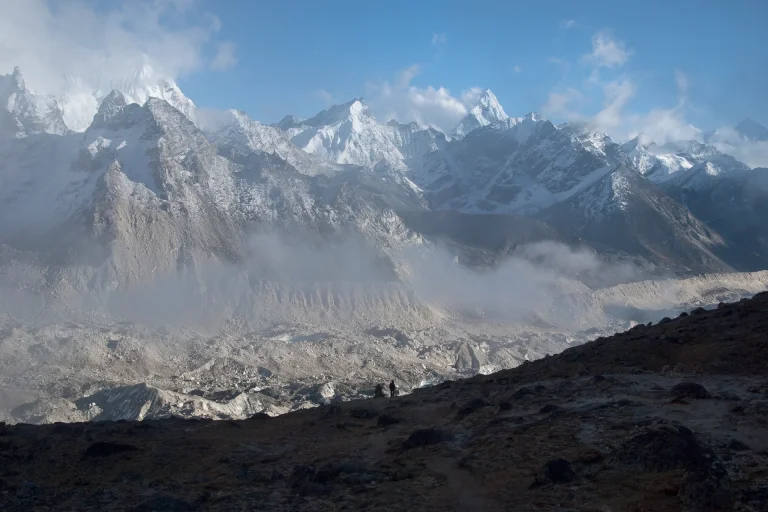
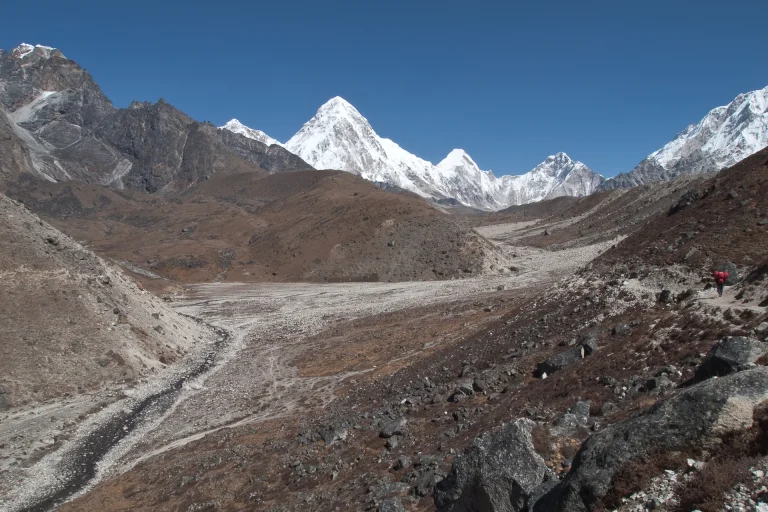
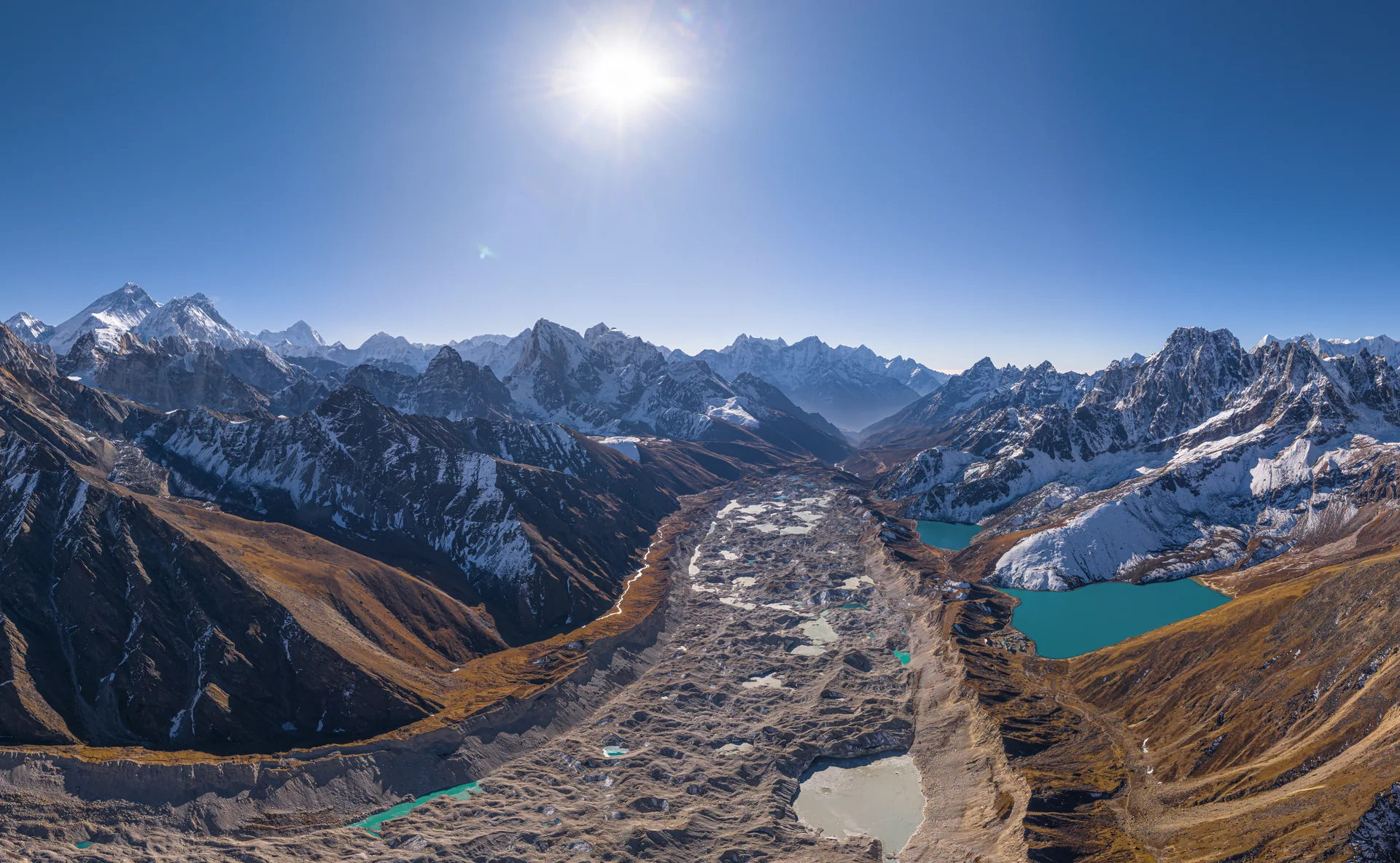
A mountain photograph and a flight itinerary answer different questions. The photograph shows a place from a particular viewpoint at a particular moment. The itinerary describes what an operator proposes to deliver. Start a comparison by reading the second carefully, then use the first to understand the regional setting.
Begin with the actual service
Ask which company operates the aircraft and which company is taking the booking. Confirm the departure point, proposed route and return arrangement. A broad destination label such as Everest does not establish that a product includes a helicopter, a landing or a visit to a particular place.

Landing Everest Base Camp Kalapathar by Helicopter with Breakfast
Helicopter tour to Everest base camp:- Landing at Mt. Everest base camp, Kalapather with the best view of Mt Everest & other Himalayas, It is a landin...

Kathmandu Sightseeing | UNESCO World Heritage sites Private/Group
Embark on a captivating journey through Kathmandu with our Private Kathmandu Sightseeing Tour. Led by our expert Eng...

Kathmandu: Full Day 7 UNESCO Tour with Lunch - Private/Group
The Seven World Heritage Day Tour of Kathmandu presents a distinctive convergence of history, culture, and spiritual...

Kathmandu Food and Drink Walking Tour
Namaste! Come hungry to explore Kathmandu's culinary wonders on an immersive walking tour led by a professional lice...
The Nepal Tourism Board’s Everest overview supplies regional context. It does not confirm the contents or availability of a commercial flight. The name of this website likewise describes the subject of the guide, not an owned fleet or a guaranteed base-camp landing.
Compare like with like
| Listing element | What to establish |
|---|---|
| Aerial view | Which landscape is on the proposed route, and what may change? |
| A stop or landing | The exact place, whether it is included and how current permission is confirmed. |
| Ground transfer | The meeting point, responsible company and return arrangement. |
| Price | The complete amount, inclusions and conditions for the specific booking. |
Keep the operator’s answers together. Two products with similar titles may differ in their starting point, the way passengers are grouped or the services included on the ground. A comparison becomes more useful when it records those differences instead of relying on the most dramatic image.
Read the conditional parts
Ask what happens if the proposed experience cannot operate as described. The operator should explain its arrangements for a changed route, delay or cancellation and where those terms appear in the booking documents. A general statement about flexibility is not the same as a clear answer about the product you are considering.
Before deciding
- Identify the operating company and booking contact.
- Write down the proposed departure and return points.
- Check each named stop.
- Distinguish a view from a landing.
- Ask whether the stop is included or conditional.
- Read the current terms before payment.

Private Bhaktapur and Nagarkot Day Tour From Kathmandu
The day trip to Bhaktapur and Nagarkot from Kathmandu takes you to the ancient city of Bhaktapur and the most popular Himalayan viewpoint closer to Ka...

UNESCO Seven World Heritage Tour in Kathmandu
There are seven awe-inspiring UNESCO World Heritage Sites in the Kathmandu Valley. Dating back over 2000 years, the...

Kathmandu: Full Day Top 4 UNESCO Tour with Lunch - Private/Group
A Kathmandu sightseeing tour is a captivating journey through Nepal's rich cultural and spiritual heritage. Start yo...

ZipFlyer Nepal - The World's Steepest Zip-line
Welcome to the most stunning Zipline on the planet. Zipflyer Nepal is a 1.8km Zipline located in Pokhara Nepal with...
This guide does not assess an operator’s current authorization or suitability for an individual traveler. The Civil Aviation Authority of Nepal is the relevant regulator; use current responsible sources for operational questions. Continue with the booking-question guide or compare the actual provider listings without assuming that every result is an aerial product.